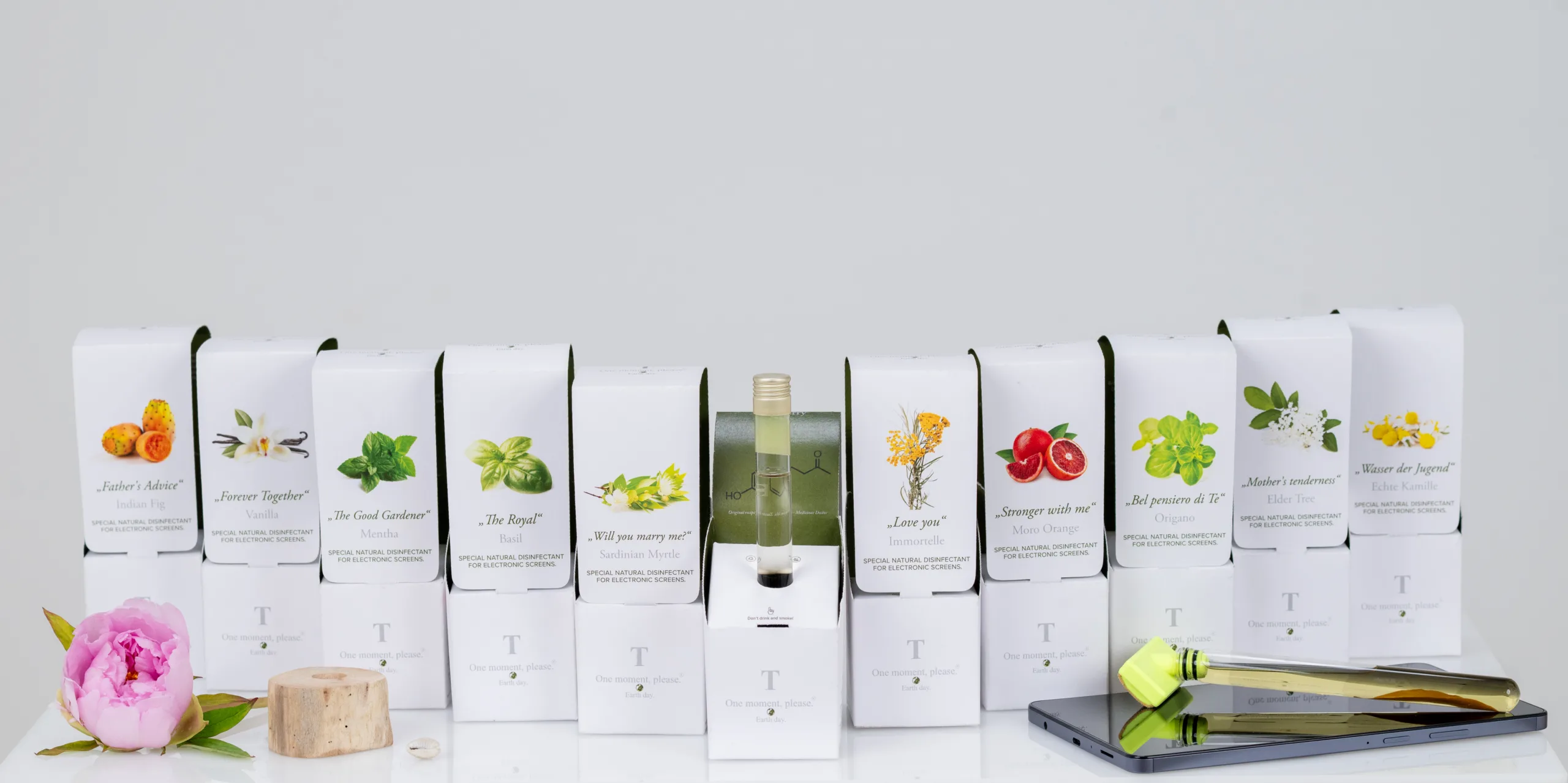
Special natural disinfectant for electronic screens.
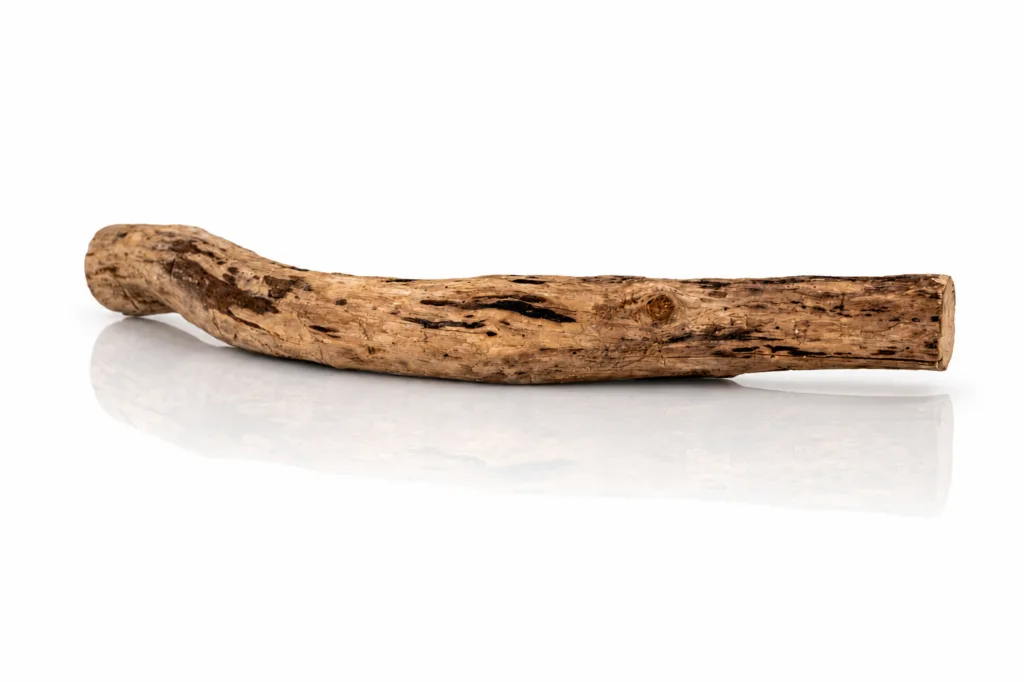
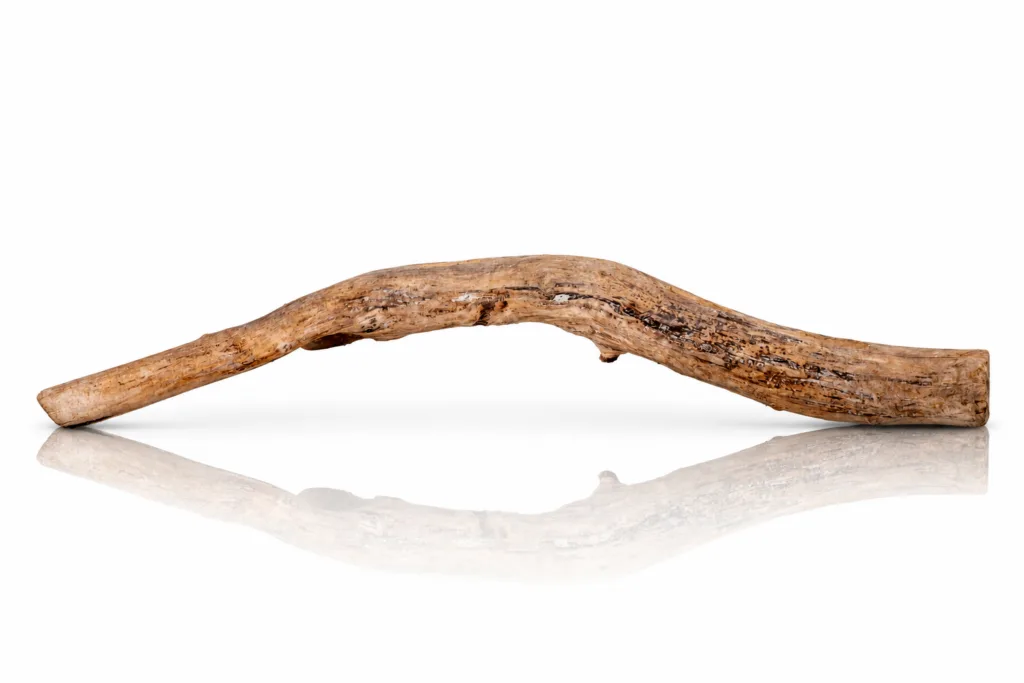
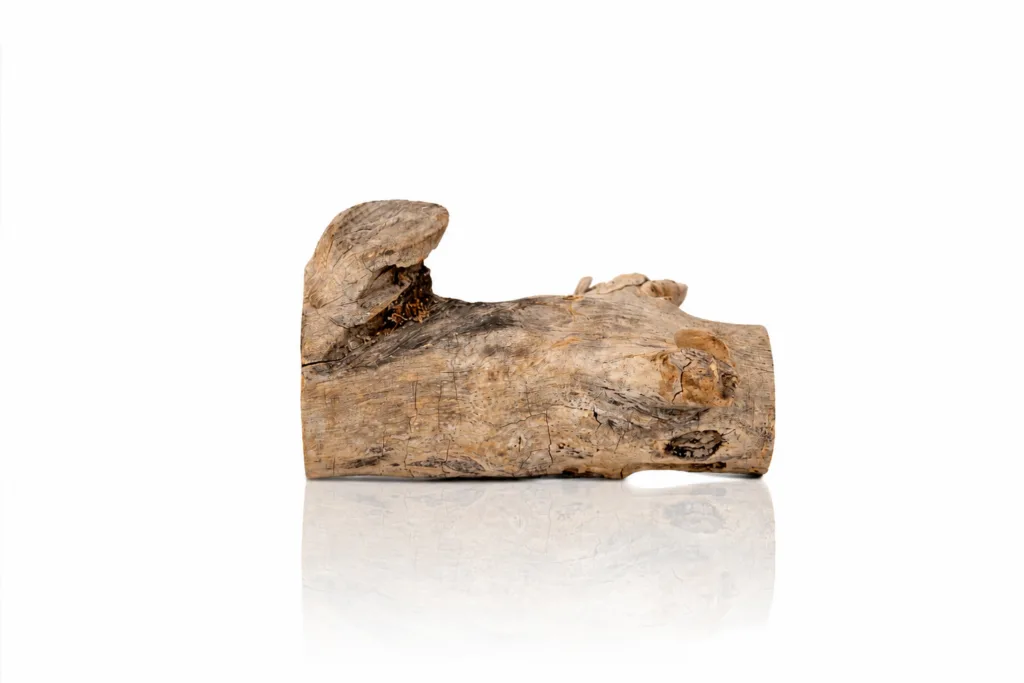
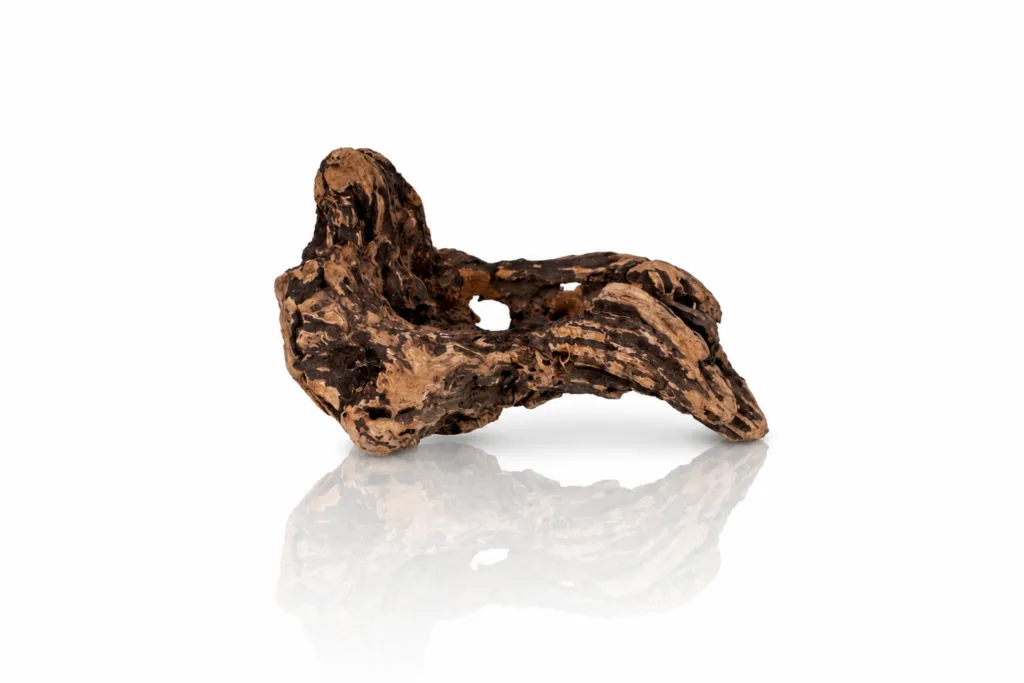
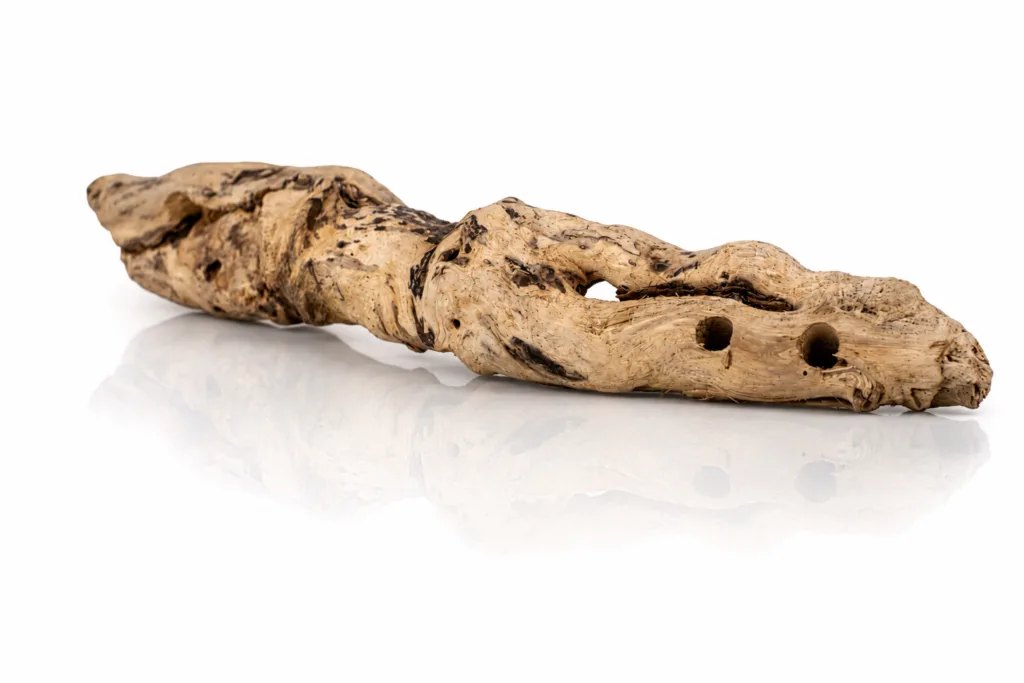
»One moment, please.« A specially developed and designed product for the personal hygiene of your electronic screens. Medicinal plants, 70% pure alcohol, Aqua Purificata, driftwood, natural essences, a sea shell and our secret recipe all …) work intelligently just like you, wherever you are seen using »One moment, please.«
First Kiss
French Pine
(pinus maritima) Under these trees, an Enormous Number of First Kisses happen… Medicinal use: French maritime pine tree is used as a source of flavonoids, catechins, proanthocyanidins, and phenolic acids; notably in the patented extract "Pycnogenol".
17.77 €
Buy nowThe Goddess of Love
Rose
(Rose Portoroz) The Goddess of Love, the rose symbolises passion, desire, love and sexuality in many cultures. Medicinal use: Rose petals contain sedative, antibacterial, anti-viral, anti-inflammatory, anti-depressant, and mood- enhancing properties. Roses have nutritional as well as healing benefits.
17.77 €
Buy nowTrue Match
Calendula
(Calendula officinalis) An unmarried woman with two suitors would take a blend of powdered calendula, marjoram, wormwood and thyme simmered in honey and white wine to make an ointment for use in aritual to reveal her true match. Medicinal use: Calendula has antibacterial, antiplaque, analgesic and antiviral properties. It is also rich in antioxidants and exhibits an astringent effect.
17.77 €
Buy nowStronger with me
Red Orange
(Citrus × sinensis) The Moro is the most colourful of the blood oranges, with a deep red flesh and a rind with a bright red blush. The flavour is stronger and the aroma is more intense than a normal orange. This fruit has a distinct, sweet flavour with a hint of raspberry. This orange possesses a more bitter taste than the »Tarocco« or the »Sanguinello«. The »Moro« variety is believed to have originated at the beginning of the 19th century in the citrus-growing area around Lentini, (in the Province of Syracuse in Sicily, Italy). Medicinal use: Red orange juice contains elevated quantities of various compounds including polyphenols, flavanones, anthocyanins, hydroxycinnamic acids, and ascorbic acid, and it is supposed to have a high antioxidant capacity in all its components.
17.77 €
Buy nowAbundance, glory and peace
Olive
(Olea europea sativa) An olive branch was often used as a symbol of abundance, glory and peace. Medicinal use: Olive fruit contains several types of polyphenols, mainly tyrosyls, phenolic acids, flavanols and for black olives, anthocyanins.
17.77 €
Buy nowA gift for the monarch and you
Cinnamon
(Cinnamomun verum) Cinnamon was so highly prized among ancient nations that it was regarded as a gift fit for a monarch. It was imported to Egypt as early as 2000 BC. Medicinal use: In addition to being an antioxidant, anti-inflammatory, antidiabetic, antimicrobial, anticancer, lipid-lowering, and cardiovascular-disease-lowering compound, cinnamon has also been reported to have properties preventing neurological disorders, such as Parkinson's and Alzheimer's diseases.
17.77 €
Buy nowMother’s tenderness
Elder tree
(Sambucus nigra) A mother's love is the only one that heals everything. Medicinal use: Elderberries and elderberry flowers are packed with antioxidants and vitamins that can boost the immune system. They can aid in taming inflammation, lessen stress, and help protect the heart.
17.77 €
Buy nowLove you
Immortelle
(Helichrysum italicum) The sleeping giant of Mediterranean herbal medicine. Historically, it was also revered as a powerful aphrodisiac for attracting a lover! Medicinal use: Immortelle offers powerful tissue regeneration properties and aids in the formation of scar tissue.
17.77 €
Buy nowMiss You
Koper-Capodistria
(Anethum graveolens) Dill has been found in the tomb of Egyptian Pharaoh Amenhotep II, dating to around 1400 BC. Medicinal use: Dill oil has shown promise in laboratory studies as an antimicrobial agent, effective against a variety of bacteria and fungi, although more clinical trials are needed to confirm these effects in humans.
17.77 €
Buy nowElegance, Refinement, and Luxury
Lavender
(Lavandula angustifolia) The colour purple is a symbol of royalty. Lavender is a flower that represents elegance, refinement, and luxury. As a result, it was frequently used to adorn castles. Medicinal use: Lavender is a symbol of health. The antibacterial characteristics of lavender oil allow it to be used to fumigate and destroy a variety of pathogens.
17.77 €
Buy nowThe Holy & Royal
Basil
(Ocimum basilicum) Basil has long been considered a holy and royal herb in many cultures around the world. Its name comes from the Greek word “basilikohn”, meaning royal or kingly. This is likely due to the herb’s popularity and revered status in many ancient civilizations. Medicinal use: Basil has strong antibacterial properties. This powerful plant contains several essential oils that have been found to exhibit antimicrobial activity against a wide range of bacteria such as listeria, staphylococcus and salmonella.
17.77 €
Buy nowTo be in Good Health
Sage
(Salvia officinalis) The sage plant has been praised highly throughout history and on many continents for its powers of longevity. The name salvia, derived from the Latin »salvere« (which means to be in good health, to cure, to save), reflects its benevolent reputation. Medicinal use: Sage has been used in traditional medicine for relief of pain, to protect body against oxidative stress, free radical damages, angiogenesis, inflammation, bacterial and virus infections.
17.77 €
Buy nowThe True Food of Gods
Cacao
(Theobroma cacao) Cacao is one the healthiest foods on the planet. Like any delicious gift from mother nature, cacao is best consumed on its own. This means you’ll experience the most life-giving, love-inducing, possibly even age-defying benefits with 100% cacao - the true food of the gods. Medicinal use: Cacao is also one of the richest sources of antioxidants on Earth. It’s packed with a wide range of polyphenols and flavanols.
17.77 €
Buy nowFather’s Advice
Indian Fig
(Opuntia ficus-indica) So that you don’t get pricked, be careful around beautiful and good things. Medicinal use: A very powerful antioxidant, containing Vitamin C, selenium, flavonoids, and many other beneficial compounds.
17.77 €
Buy nowYou're Attractive
Parsley
(Petroselinum crispum) Parsley is believed to have been originally grown in Sardinia, and was cultivated in around the 3rd century BC. Sardinia is a very attractive island for many animals, for horticulture, and for life in general. Medicinal use: The Ancient Greeks and Romans used parsley not only as a culinary herb, but also for its medicinal benefits. “De Materia Medica”.
17.77 €
Buy nowJoy, Love and Prosperity
Lemon
(Citrus × limon) Lemons symbolise joy, love, and prosperity, and are deeply rooted in Italian culture, particularly along the Amalfi Coast. Medicinal use: Lemon is a rich source of vitamin C, providing 64% of the Daily Value in a 100 g reference amount. Lemons contain numerous phytochemicals, including polyphenols, terpenes, and tannins.
17.77 €
Buy nowCourage
Thyme
(Thymus species) The Ancient Greeks used thyme in their baths, and burned it as incense in their temples, believing it was a source of courage. Medicinal use: Research shows it may have anti-inflammatory, antimicrobial, antioxidant, and other effects that can be useful in treating a variety of conditions.
17.77 €
Buy nowThe Nymph Ida
Raspberry
(Rubus idaeus) The nymph Ida, the daughter of the King of Crete, was and the nurse of Zeus, and wanted to pick a raspberry to calm his sorrow. She pricked her breast with the raspberry thorns, and the fruit then changed into a blood-red colour. Medicinal use: The leaves and stems of the red raspberry are used in Lithuanian folk medicine. The healing properties of the raspberry are related to the content of bioactive compounds, mainly polyphenols.
17.77 €
Buy nowForever Together
Vanilla
(Vanilla planifolia) Traces of vanillin were found in wine jars in Jerusalem, which that were used by the Judahite elite before the city was destroyed in 586 BCE. »Strong aphrodisiac« Means: ¨together forever¨ Medicinal use: Vanilla essence occurs in two forms. The true seedpod extract is a complex mixture of several hundred different compounds, including vanillin, acetaldehyde, acetic acid, furfural, hexanoic acid, 4-hydroxybenzaldehyde, eugenol, methyl cinnamate, and isobutyric acid
17.77 €
Buy nowYou are the Winner
Laurel
(Laurus nobilis) This symbolism is carried over from Roman culture, which held the laurel as a symbol of victory. Laurel was also associated with immortality, ritual purification, prosperity and health. Medicinal use: Laurus nobilis L. is commonly used in folk medicine in the form of an infusion or decoction to treat gastrointestinal diseases and flatulence as a carminative, antiseptic, and anti-inflammatory agent.
17.77 €
Buy nowWill you marry me?
Sardinian Myrtle
(Myrtus Communis) Symbolically and ritually important in ancient times, myrtle has been used to represent: wedding, honour, justice, prosperity, generosity, hope, love, and happiness. Medicinal use: Myrtle has long been used in folk medicine to treat inflammatory and infectious processes such as prostatitis, bronchitis, sinusitis and colds, with different experimental studies demonstrating its antimicrobial, anti-inflammatory, and antioxidant properties.
17.77 €
Buy nowThe islands of Tahiti
Coconut
(Cocos nucifera) A long time ago, a young girl called Hina was so beautiful because the sun kissed her skin and her silky hair, and she was to marry the Prince of Eels. Medicinal use: Pharmacological studies reveal that polysaccharide is the most abundant substance in Poria cocos, and it has a wide range of biological properties including antitumour, immunomodulation, anti‐inflammation, antioxidation, anti‐ageing, antihepatitic, antidiabetics and anti‐haemorrhagic fever effects.
17.77 €
Buy nowLuck and Wealth
Mandarin
(Citrus reticulata) Oranges, kumquats, tangerines and pomelos are common Chinese New Year food gifts because they are believed to bring good luck and happiness. The Chinese words for orange and tangerine closely resemble the words for luck and wealth. Medicinal use: In traditional Chinese medicine, dried peels of the fruit are used in regulating ch'I, and to enhance digestion.
17.77 €
Buy nowAbundance, Fertility and Good Luck
Pomegranate
(Punica granatum) Pomegranate was represented by the Ancient Greeks as an attribute of the goddesses Hera, Artemis, and even Athena. It brings: »Abundance, Fertility and Good Luck« Medicinal use: Numerous studies conducted on fruit peel waste have shown that these waste products possess many biological properties, such as antioxidant, antimicrobial, and anticancer effects.
17.77 €
Buy nowYou are so beautiful
Magnolia
(Magnolia grandiflora) The magnolia has been blooming for longer than bees have existed. That single fact — that this flower’s story predates its most famous pollinator by tens of millions of years — tells you almost everything you need to know about its meaning. Dignity. Endurance. A beauty so ancient it had to invent its own path. Medicinal use: Magnolia grandiflora contains phenolic constituents shown to possess significant antimicrobial activity. Magnolol, honokiol, and 3,5′-diallyl-2′-hydroxy-4-methoxybiphenyl exhibited significant activity against Gram-positive and acid-fast bacteria and fungi.
17.77 €
Buy nowPungent, Sweet and Warm
Clove
(Syzygium aromaticum) Until the colonial era, cloves only grew on a few islands in the Moluccas (historically called the Spice Islands), including Bacan, Makian, Moti, Ternate, and Tidore. Medicinal use: Cloves are used in traditional medicine as an essential oil, which is intended to be an anodyne (analgesic) mainly for dental emergencies.
17.77 €
Buy nowThe Good Gardener
Mentha
(Mentha × piperita) Known in Greek mythology as the »herb of hospitality«. Medicinal use: Menthol and mint essential oil are also used in aromatherapy, which may have clinical use to alleviate post-surgery nausea.
17.77 €
Buy nowDew of the Sea
Rosemary
(Rosmarinus officinalis) Joseph, Mary and Jesus. A Christian legend tells a story of how, during Mary’s trip from Bethlehem to Egypt with Joseph and Baby Jesus, she put her blue mantle on a rosemary bush, from where the herb’s blossoms got their colour. Medicinal use: Rosemary extract, specifically the type mainly consisting of carnosic acid and carnosol, is approved as a food antioxidant preservative in a number of countries.
17.77 €
Buy nowWater of Youth
Chamomile
(Matricaria chamomilla) Chamomile is one of the most ancient medicinal herbs known to mankind. Medicinal use: A strong antioxidant with gentle and wonderful medicinal properties. The dried flowers of chamomile contain many terpenoids and flavonoids contributing to its medicinal properties.
17.77 €
Buy nowBeautiful Thought
Oregano
(Origanum vulgare) The mythological Greek goddess Aphrodite created spicy, pungent oregano to signify joy, and planted it in her garden on Mt. Olympus. It was Greek herb of happiness, used in love potions and marriage rituals. Medicinal use: Greek Oregano is one of the most famous strands of oregano. It is rich in iron, antioxidants, vitamin E, and calcium.
17.77 €
Buy nowDriftwood
We are manufacturers of filling and cleaning devices made of driftwood from northern Italy and western Slovenia.
Products that can be pre-ordered:
1. The One
2. Lovers
3. Family Tree
4. In front of Bedroom
5. Grand Parents
6. School
7. Companys (Airport, Grand Hotel, Hospital, Railway Station, Shoping center, Teather, Seaport)